
The IMD said that the strong cold wave conditions will be at their worst between November 28 and December 2, when temperatures in Delhi and the northern plains will drop to 6–7°C.
A senior meteorologist from IMD said, “We’re seeing a mix of clear skies, dry air, and strong winds from the northwest. This is the perfect setup for a strong cold wave.” In many cities, the temperature is already 4–5°C lower than normal.
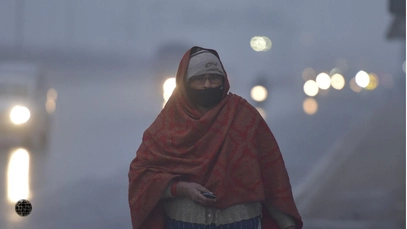
Delhi, Punjab, and Haryana Are Experiencing Record Lows
The Safdarjung weather station in Delhi recorded 7°C, making it the coldest day of the year so far. The strong cold wave has also made its way to Punjab and Haryana, where temperatures in Amritsar and Hisar dropped to 5°C, the lowest November reading in over a decade.
People in Chandigarh, Ludhiana, and Rohtak said that the winds were icy all day. In Himachal Pradesh and Uttarakhand, which are both in the hills, the strong cold wave has made the temperature drop below zero. In upper Shimla and Manali, snow has blocked roads.
Neha Bhatia, who lives in Gurgaon, said, “This strong cold wave feels like the weather in mid-January. Even heaters don’t help; the air outside feels frozen.”
Strong cold wave causes problems with health and travel
Hospitals in Delhi and northern India are seeing more people get sick because of the cold. Doctors say that being outside in the strong cold wave for a long time can make asthma, arthritis, and heart problems worse, especially in older people.
The government of Delhi has told people to limit their travel in the early morning and late at night. Schools in Punjab and Haryana have changed their hours to keep kids safe from the very cold weather.
Thick fog has also made it hard to see, which has messed up train and flight schedules. Indira Gandhi International Airport had to delay more than 20 flights, and some trains to northern states were up to five hours late.
Government Warnings and Public Reactions
Several states have set up emergency winter shelters for homeless people. The Delhi Disaster Management Authority (DDMA) has told night shelters to make more heating arrangements because the cold wave is getting worse.
The IMD told people to wear several layers of clothing, drink plenty of water, and stay out of the cold air for long periods of time. During the strong cold wave phase, farmers in Haryana and Uttar Pradesh were told to protect their crops from frost and water them less often.
Street vendors and daily wage workers, on the other hand, were worried about losing work hours because of the extreme cold. A tea seller near Connaught Place said, “We depend on evening crowds, but this strong cold wave has emptied the streets.”
Climate change has made the strong cold wave worse, but environmental analysts say it is part of a pattern that happens every winter. Dry air and disturbances from the west also cause extreme changes. The strong cold wave that is still going on has brought North India to a halt, freezing daily life and showing how the region’s climate is becoming more and more unpredictable.
Residents are getting ready for several more nights of extreme cold, but meteorologists think that by early next week, southern winds will start to cool things down. Until then, the strong cold wave is another reminder of how crazy and unpredictable India’s seasonal weather has become.
Follow the latest News Updates only on Info Daily!