
Online Safety Education has become a national priority. As more and more schools in India offer Online Safety Education programs, they are growing as digital learning and internet use become more common. School and education officials are working harder than ever to make sure that students know how to act responsibly online, how to protect their privacy, and the dangers of using social media, gaming platforms, and digital communication.
Online Safety Education is now a part of morning assemblies, classroom discussions, and special awareness weeks because smartphones and online classrooms are now a part of students’ daily lives. Officials say that teaching kids about online safety at a young age helps them develop critical thinking skills that help them spot online threats and keep themselves safe in a digital world that changes quickly.
Online Safety Education is getting stronger in schools all over India.
Schools in cities and towns have started structured Online Security Education sessions led by teachers, counselors, and cyber experts. These classes teach how to keep passwords safe, how to browse the web safely, how to stop cyberbullying, and how to understand digital footprints. Schools want to make safe online behavior normal by making Online Safety Education a part of everyday school activities instead of just teaching it once.
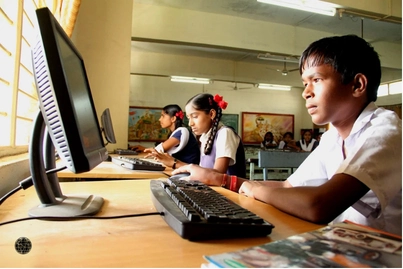
The Ministry of Education, Government of India has also helped speed up adoption by supporting policies. The guidelines tell schools to make sure that Online Security Education fits in with their current digital literacy programs and student health and well-being frameworks. Officials stress that consistent messaging helps students remember important ideas and use them in real-life online interactions.
Messages about online safety education and public safety
Public advisory messages are an important part of Online Security Education campaigns. Students should not share personal information, check the reliability of online sources, and report any strange behavior right away. Cyber awareness materials often mention the Indian Computer Emergency Response Team’s resources, which include official warnings, help lines, and ways to report online incidents. CERT-In‘s official website encourages parents and teachers to look over these resources.
Teachers say that students are more aware of Online Security Education messages after seeing them over and over again in assemblies and workshops. Parents are also involved through circulars and orientation meetings, which bring Online Safety Education into homes as well as schools.
The effect of online safety education on students and digital culture
The ongoing emphasis on Online Safety Education is starting to change the way students act and the culture of schools. Schools say that students are more willing to talk about problems they have online and ask for help when they need it. By making Online Safety Education a shared responsibility, schools hope to lessen the fear and stigma that come with cyber incidents.
Long-Term Digital Preparedness and Online Safety Education
Experts say that students will benefit from strong Online Safety Education foundations long after they leave school. As more and more jobs, schools, and civic activities move online, students who have learned about online safety are better able to use complicated online systems in a responsible way. People now see this set of skills as just as important as traditional reading and writing.
In the future, school boards are looking into curriculum-based tests and teacher training modules to make Online Safety Education even better. Digital safety weeks, student-led campaigns, and learning materials in more than one language should help more people, especially in rural and regional schools. Readers who want to learn more about similar projects can also read our coverage of [Internal Link: Digital Literacy and Education Reforms in India].
In conclusion, Indian schools’ ongoing Online Safety Education is a proactive way to protect students and give them more power online. Online Safety Education programs are making the next generation safer and more knowledgeable, so they will be ready to thrive in India’s digital future. They do this by combining support from the government, action at the school level, and parental involvement.
Follow the latest News Updates only on Info Daily!